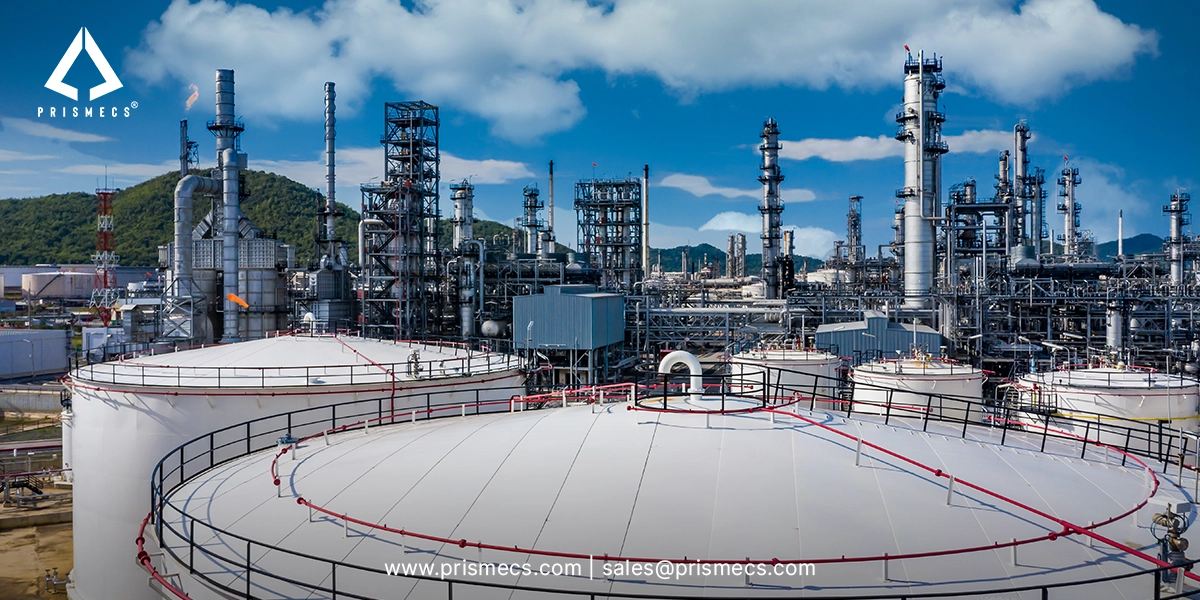
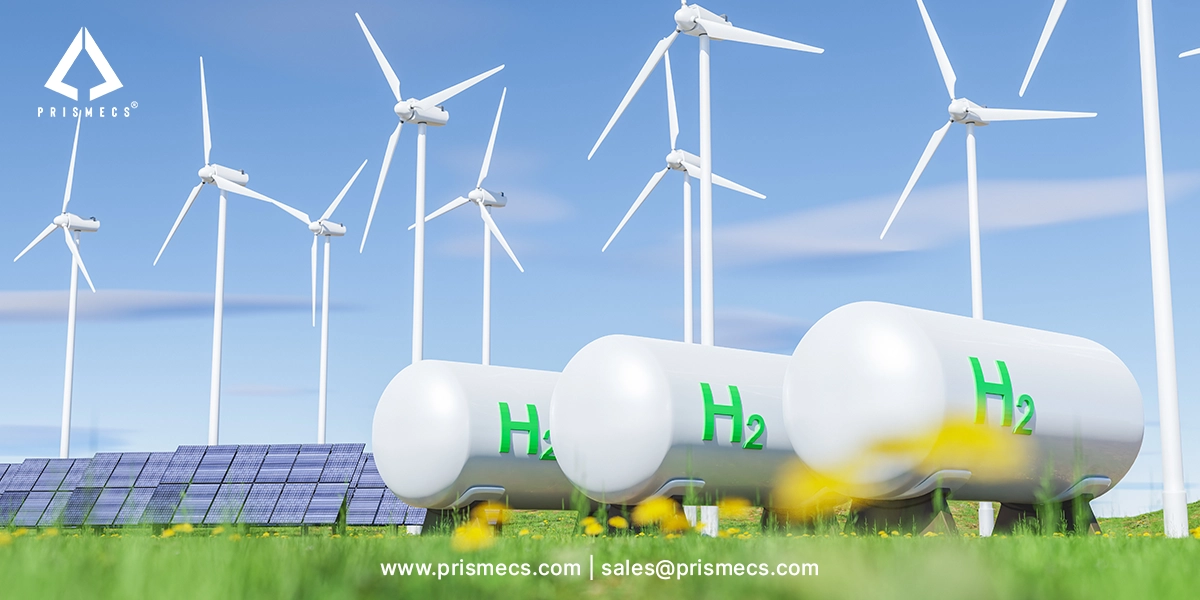
As part of the global push for clean energy, green hydrogen has emerged as a key solution. As industries and governments move away from fossil fuels, the demand for green hydrogen plant technology continues to rise. These plants use renewable energy sources to produce hydrogen through a process that emits no carbon dioxide.
In this guide, we will look at how green hydrogen plants work. We will also discuss why they are important and what technologies are shaping the future of green hydrogen production.
Why This Matters:
Green hydrogen is a key enabler of the energy transition, offering zero-carbon fuel produced using renewable electricity. It looks at the limits of direct electrification. It supports long-lasting energy storage. It also improves grid reliability. This is done by turning extra renewable power into energy that can be used when needed.
Green hydrogen helps reduce carbon emissions in power generation and other hard-to-reduce areas. Its role is increasingly important for future-ready Power Generation systems seeking low-carbon reliability.
How Green Hydrogen Plants Operate

Green hydrogen plants use electricity from renewable sources like wind or solar. They split water into hydrogen and oxygen through a process called electrolysis. The hydrogen produced becomes a clean fuel, leaving behind zero carbon dioxide emissions.
Power Supply from Renewable Energy Sources
The plant uses renewable energy sources, such as solar and wind, to generate electricity. This renewable power becomes the primary input for the hydrogen production process.
Water Electrolysis
Electrolyzers split water (H₂O) into hydrogen (H₂) and oxygen (O₂). This process runs entirely on clean electricity from renewables. There are several types of electrolyzers used in green hydrogen production:
- PEM (Proton Exchange Membrane)
- Alkaline Electrolyzers
- Solid Oxide Electrolyzer
- Each type offers advantages based on plant scale, efficiency, and integration with the energy grid.
Hydrogen Storage and Infrastructure Integration
Once produced, green hydrogen must be stored and delivered in a way that supports reliable power generation and industrial operations. For energy-intensive industries, utilities, and infrastructure projects, storage plays a critical role in ensuring uninterrupted energy supply.
Green hydrogen can be:
- Stored on-site in pressurized tanks to support backup and peak-load power generation
- Stored in underground caverns for large-scale, long-duration energy resilience
- Transported via pipelines to supply power plants, industrial users, or hydrogen-ready turbines
- Converted into liquid hydrogen for centralized storage and large infrastructure hubs
For power generation facilities, data centers, and industrial plants, scalable hydrogen storage enables long-duration energy security and grid stability. Designing this infrastructure requires careful engineering, safety planning, and integration with existing power systems to ensure operational reliability.
Applications:

Green hydrogen serves several key roles in the energy transition:
Power Generation
Hydrogen can power gas turbines or fuel cells. It provides backup or base-load power in areas with a lot of renewable energy. U.S. electricity demand is expected to increase by about 30% by 2050. It will exceed 5,000 terawatt-hours.. As such, cleaning up the power sector will be a defining factor in US climate action.
Industrial Decarbonization
Industries such as steel, ammonia, and refineries rely on hydrogen. Replacing gray hydrogen (from natural gas) with green hydrogen produced from renewable sources slashes emissions.
Energy Storage
Excess renewable electricity converts into hydrogen during off-peak times. Later, this renewable hydrogen feeds back into the grid, balancing supply and demand.
Noteworthy Global Green Hydrogen Projects
Large-scale green hydrogen projects around the world highlight the growing demand for integrated power, EPC, and infrastructure expertise. These developments demonstrate how renewable power, electrolysis, and industrial energy systems are being combined at scale.
Project | Location | Description |
NEOM | Saudi Arabia | World’s largest green hydrogen plant; 4 GW renewable power, 600 tonnes/day clean hydrogen, 1.2 M tones/year ammonia. |
Fukushima Hydrogen Energy Research Field (FH2R) | Japan | Largest renewable hydrogen production facility: 10 MW solar-power input, 1,200 Nm³/hour output. |
REFHYNE (Germany) | Europe | Europe’s largest PEM electrolyser at Shell refinery in Wesseling; expanding to 100 MW by REFHYNE II. |
Large-scale hubs | Australia, Mauritania | Multi-GW projects targeting million metric tons of output, e.g., AREH, AMAN. |
Iberdrola (Europe) | Europe | Building the largest green hydrogen plant in Europe for green ammonia on an industrial scale. |
Benefits
Below are some of the key benefits of green hydrogen plants:
Zero Carbon Emissions:
The biggest advantage of green hydrogen is that it doesn’t release carbon dioxide. This helps countries and corporations hit their net-zero targets.
Energy Security:
A green hydrogen plant reduces dependency on imported natural gas or oil and gas. Countries can harness local renewable energy sources to produce fuel domestically.
Scalability:
Plants can range from small container-sized units to large green hydrogen mega-projects. They can grow based on demand and available power.
Job Creation and Innovation:
Green hydrogen creates skilled jobs across the supply chain from engineering to construction to maintenance.
Challenges:

Despite its potential, green hydrogen faces some hurdles:
High Production Costs:
Electrolyze and renewable electricity remain expensive. However, costs are falling quickly with scale and innovation.
Infrastructure Gaps:
Pipelines, fueling stations, and storage solutions need development to support widespread hydrogen use.
Water Resource Needs:
Electrolysis requires clean water. In dry regions, this poses a challenge unless plants incorporate water recycling or desalination.
Plan Your Green Hydrogen Plant

Planning a hydrogen project? Here’s how to approach it:
Assess Renewable Energy Sources:
Evaluate your region’s potential for solar, wind, or hydropower. Choose a location close to the energy source to reduce transmission losses.
Define Your Use Case:
Are you powering vehicles, storing energy, or decarbonizing industry? Your application determines the plant's size, storage method, and distribution needs.
Choose the Right Electrolyzer:
recent posts
Procurement
3 minutes read
EV Supply Chain Consulting
The modern EV supply chain extends far beyond vehicle assembly. It spans power generation assets, energy storage systems, grid-connected charging infr...
Procurement
8 minutes read
Overcoming Bottlenecks with EV Supply Chain Consulting
The rapid acceleration of electric vehicle (EV) adoption is reshaping not only the automotive sector, but the global energy and power infrastructure l...

Microgrid
5 minutes read
heading - Prismecs’ CEO Junaid Ali Highlights the-in-power-n-power-gas-in-power-
Houston, TX – May 28, 2025 — Prismecs, a global leader in energy solutions, is proud to announce that CEO Junaid Ali’s insightful article has been fea...
Microgrid
10 minutes read
AcceleratingTaiwan’sEnergyergyergyergy
Prismecs positions itself as a leader in utilizing diverse expertise and technology for innovative local and global solutions by fostering interconne...