
Responsible Mining Practices
Traditional mining often results in significant environmental damage, including soil degradation, water contamination, and habitat destruction. To mitigate these impacts, mining companies are increasingly adopting responsible mining practices. These include:
Recycling and Reusing Materials
Many companies now focus on recycling precious metals and minerals, such as gold and silver. They recycle these metals from end-of-life products to reduce the need for new mining operations. This helps conserve critical materials, reduce waste, and minimize environmental degradation.
Reducing Water Consumption
Water is a vital resource in mining operations. Sustainable mining practices aim to minimize water use. They implement more efficient water management systems and reuse water in the extraction process.
Minimizing Land Disturbance
Minimized land disturbance involves careful planning to reduce the size and impact of mining sites. Additionally, companies are rehabilitating mining sites after closure to restore ecosystems and prevent long-term environmental damage.
Energy Efficiency and Clean Energy Technologies
The mining industry is energy-intensive, relying heavily on fossil fuels. To address climate change and reduce their carbon emissions, mining companies are increasingly adopting clean energy technologies and enhancing overall energy efficiency.
Renewable Energy Integration
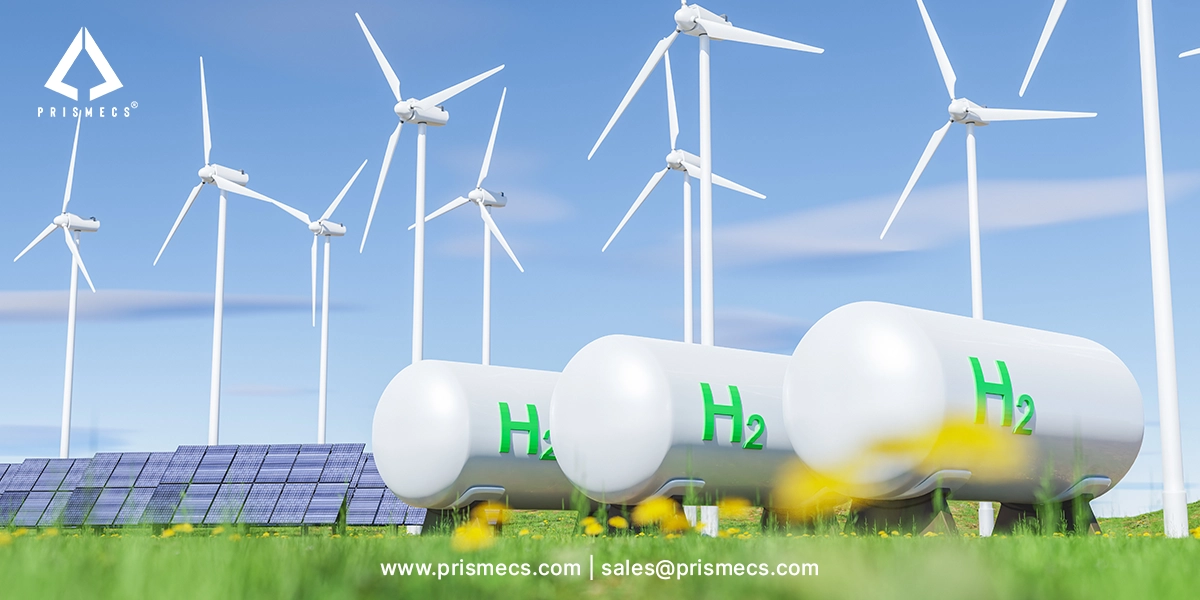
Many mining operations now incorporate renewable energy technologies into their energy mix. They use solar, wind farms, and hydroelectric power. These clean energy sources significantly help reduce reliance on coal and lower carbon emissions.
Energy-Efficient Equipment
Modernizing equipment to improve energy efficiency is another key strategy. Companies are adopting advanced technologies, including electric trucks and hybrid vehicles. They are also investing in more efficient processing plants to reduce energy use. These efforts help build a sustainable energy future.
Carbon Capture and Storage (CCS)
Some mining companies are investing in carbon capture and storage technologies to capture CO₂ emissions from mining operations. These technologies prevent harmful gases from entering the atmosphere, contributing to the clean energy transition.
Extraction of Critical Minerals and Rare Earth Elements
The growing demand for critical materials and rare earth elements presents opportunities for growth. It also presents challenges for the mining and metals sector. These materials are essential for the development of renewable energy technologies, including solar panels, wind farms, electric vehicles, and energy storage systems.
Sustainable extraction practices for these materials focus on reducing the environmental impact. Companies are exploring new methods to extract critical minerals with minimal waste and energy use, such as:
Selective Mining
Selective mining techniques focus on extracting high-quality ores while minimizing waste and environmental impact. This ensures that critical materials are obtained in an efficient, sustainable manner.
Recycling Rare Earth Elements
Recycling rare earth elements from discarded electronics and other products is gaining traction. By reclaiming these critical materials, companies reduce their reliance on primary extraction and conserve natural resources.
Circular Economy Initiatives
A circular economy approach involves rethinking how materials are used throughout their lifecycle. A circular economy promotes the recycling, reuse, and repurposing of materials.
It minimizes waste and reduces the demand for new mining. This approach replaces the traditional linear model of extraction, use, and disposal. The mining and metals sector is embracing circular economy principles by focusing on:
Metal and Mineral Recycling
Many companies are working to increase the recycling rate of metals. This includes precious metals like gold and silver. It also includes industrial metals such as aluminum, copper, and steel. This reduces the need for raw extraction and supports the goals of a sustainable energy future.
Product Life Extension
Repair, refurbishment, and remanufacturing extend the life of metal and mineral products. This reduces the need for raw materials and supports long-term sustainability in the private sector.
Design for Recycling
Mining and metals companies are collaborating with manufacturers to design products that are easier to recycle and reuse. These efforts reduce waste and environmental harm while promoting the circular use of critical materials.
Health and Safety in Mining Operations
Sustainable mining practices also encompass the health and safety of workers. Mining is a hazardous industry, with workers frequently exposed to dangerous conditions. Ensuring worker safety is not just a regulatory requirement; it is a fundamental responsibility. It is a vital part of creating a sustainable and responsible private sector.
To improve health and safety in mining operations, companies are:
Implementing Technology-Driven Solutions
Automation and digital technologies, including remote-controlled equipment, sensors, and artificial intelligence (AI), help minimize human exposure to hazardous environments and enhance safety standards.
Enhanced Training Programs
Training workers in best practices, safety protocols, and emergency response procedures is critical. It helps reduce accidents and injuries in mining operations.
Monitoring Health Risks
Mining companies are using data analytics to monitor worker health and track potential risks. This proactive approach improves working conditions and reduces health-related incidents.
Global Market for Metals & Mining
The mining industry has experienced significant growth over the past few years. Experts project that the market will expand to $2,401.85 billion by 2025, reflecting a compound annual growth rate (CAGR) of 6.2%.
Technological innovations and increased investment in the sector have driven this growth. Supportive government policies and the adoption of renewable energy in mining operations also contribute. Fluctuations in commodity prices have contributed to driving this growth.
recent posts
Procurement
3 minutes read
EV Supply Chain Consulting
The modern EV supply chain extends far beyond vehicle assembly. It spans power generation assets, energy storage systems, grid-connected charging infr...

Procurement
8 minutes read
Overcoming Bottlenecks with EV Supply Chain Consulting
The rapid acceleration of electric vehicle (EV) adoption is reshaping not only the automotive sector, but the global energy and power infrastructure l...
Microgrid
5 minutes read
heading - Prismecs’ CEO Junaid Ali Highlights the-in-power-n-power-gas-in-power-
Houston, TX – May 28, 2025 — Prismecs, a global leader in energy solutions, is proud to announce that CEO Junaid Ali’s insightful article has been fea...
Microgrid
10 minutes read
AcceleratingTaiwan’sEnergyergyergyergy
Prismecs positions itself as a leader in utilizing diverse expertise and technology for innovative local and global solutions by fostering interconne...